09 November 2026
As architectural projects continue to demand greater individuality and creative freedom, flexibility in façade design has become increasingly important. From traditional brick aesthetics to contemporary feature elevations, the ability to achieve a wide range of finishes, textures and colours can play a significant role in bringing a design vision to life.
In an effort to meet this demand, we have developed
IBricks®, to offer architects, specifiers and contractors a versatile façade solution that is capable of delivering a diverse range of architectural styles, without compromising on authenticity or visual impact. In this article, Greg Astill, Head of Product – Facades & IBrick, spoke to us about IBricks, why they came to be and what’s still to come.
From Traditional Brick Slips to a New Generation of Façade Solutions
Brick slips are by no means a new solution. Traditionally, they have been produced by cutting down bricks to create a thinner brick-faced product, often bonded to another material to form a brick veneer and while this approach has served the industry for many years, it also comes with some inherent limitations.
Cutting a full brick down to create a slip almost always results in material waste, while a whole brick still needs to go through the firing process. There can also be limitations around the thickness and yield of the finished product, with some bricks unable to be made into slips as a result of heavy texturing or tricky clay composition.
At the same time, the construction industry is evolving, with demand for new homes continuing, skilled labour remains an important consideration and there is an increasing focus on delivering buildings that are more efficient, sustainable and capable of meeting higher standards.
It is these changing requirements that have helped drive innovation in façade systems, from solutions such as our own
FastWall® solution and external insulation systems through to brick-faced precast and GRC panels.
It was against this backdrop that
IBricks were developed: combining the familiar appearance and character of brick with a production process designed around greater flexibility and efficiency.
Combining Technology with Traditional Aesthetics
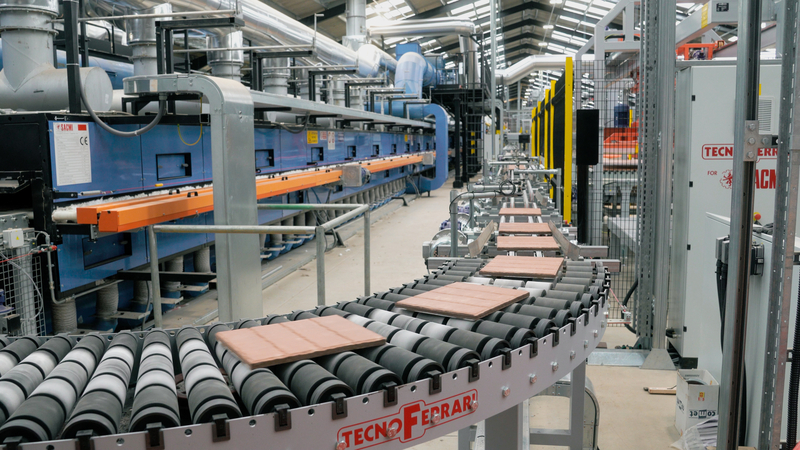
One of the defining features of IBricks is the technology behind their production. At Ibstock's
Nostell Horizon facility, the process combines extrusion with digital decoration technology – allowing patterns and images to be transferred onto the surface of the clay before it is fired.
This process is designed to avoid obvious repetition, creating an extensive range of colours, textures and visual effects. A large library of images can also be used across a product, helping to create a natural appearance and allowing the character and variation associated with traditional brick to be replicated.
This is complemented by the use of other techniques, including the addition of sand and frit on the surface, which can be used to recreate details found in traditional bricks such as iron or manganese staining. Glazes can also be used to achieve more striking appearances, while different extrusion profiles can introduce grooves, corners and alternative shapes.
The result is a manufacturing process that can replicate existing brick designs, while also providing the flexibility to create something entirely new.
We hosted investors at the Nostell Horizon factory, showing them the innovation of this site in action – see what they thought,
here.
A Future Built Around Creativity
The most exciting aspect of IBricks is what is still to come. The future of brick facades, appearance wise, is almost limitless using IBricks. Whether its experimenting with, sizes, textures or colours, they offer the ability to create truly unique designs.
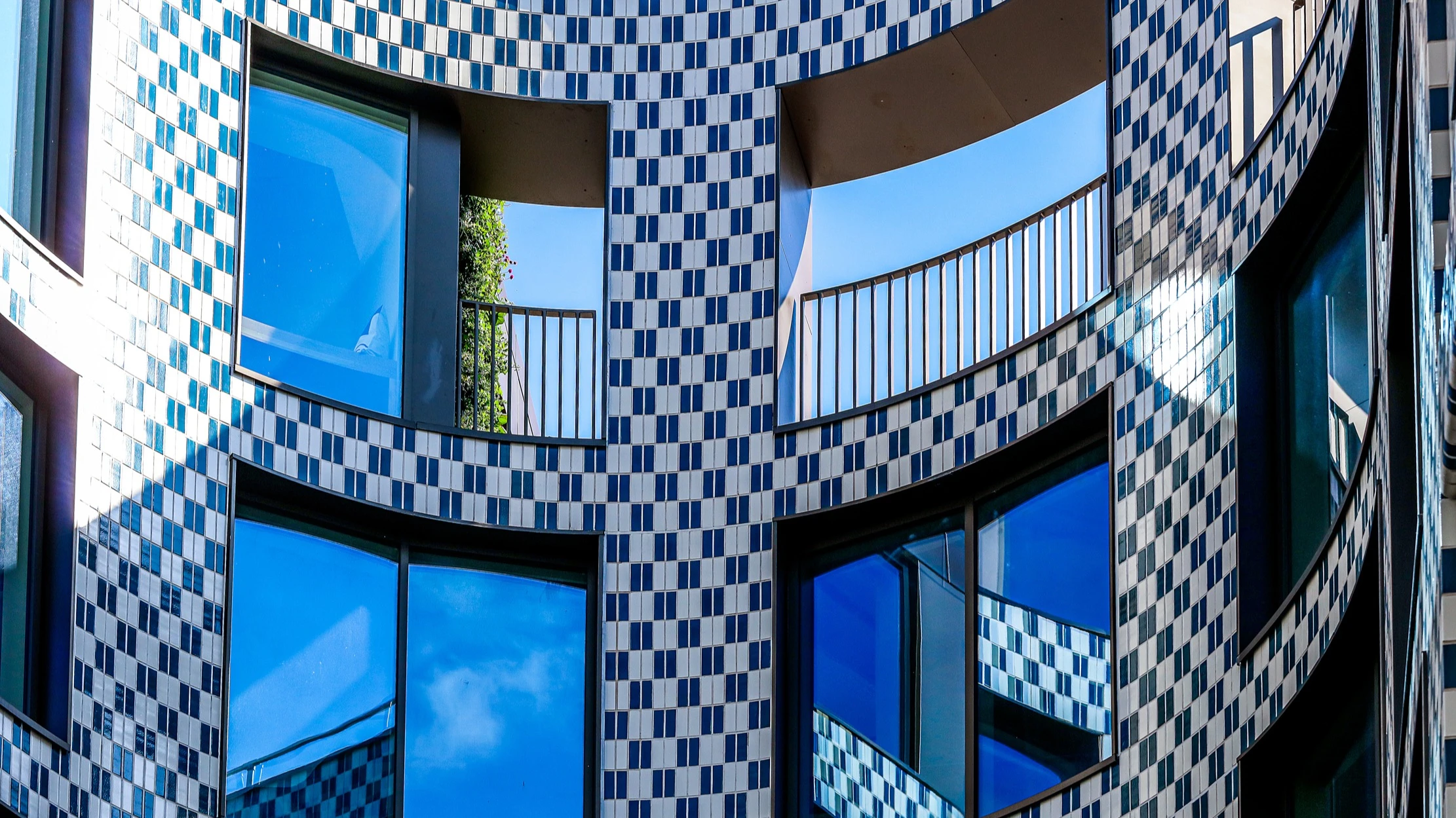
For example, we hosted architects Bond Bryan at our Nostell site, who created their very own design, Bond Bryan Blue, which is now available as a fully finished product – find out more about this,
here.
There is also significant scope to develop bespoke products around the requirements of individual projects, whether that means reproducing a particular existing brick, creating a completely new appearance or experimenting with different formats and profiles.
As construction continues to evolve the demand for façade solutions that combine performance, practicality and design freedom is only likely to grow. By bringing together traditional clay, advanced manufacturing technology and almost limitless possibilities for colour, texture, shape and pattern, IBricks are helping to redefine what is possible with brick-faced façades.