Product used: Bricks
Brick types: Olde English Grey,
Commercial Red Factory: Birtley
Project location: London
Project type: Commerical
Architect: Pitman Tozer Architects /
Falconer Chester HallContractor: S&L Contracts Ltd
2025 BDA Brick Awards winner: Large Housing Development (101+ units) category
The need to deliver more social housing is nothing new. But as pressure mounts to build faster and at scale, there is growing recognition that numbers alone are not enough.
Recent updates to the National Planning Policy Framework reinforce this shift. Alongside renewed pressure for delivery through mandatory local targets, reported ambitions of around 370,000 homes a year and planning reform designed to accelerate supply, the focus is also back on sustainable development, good design and places that work over the long term. Homes are expected not just to meet demand, but to positively impact communities and the surrounding area.
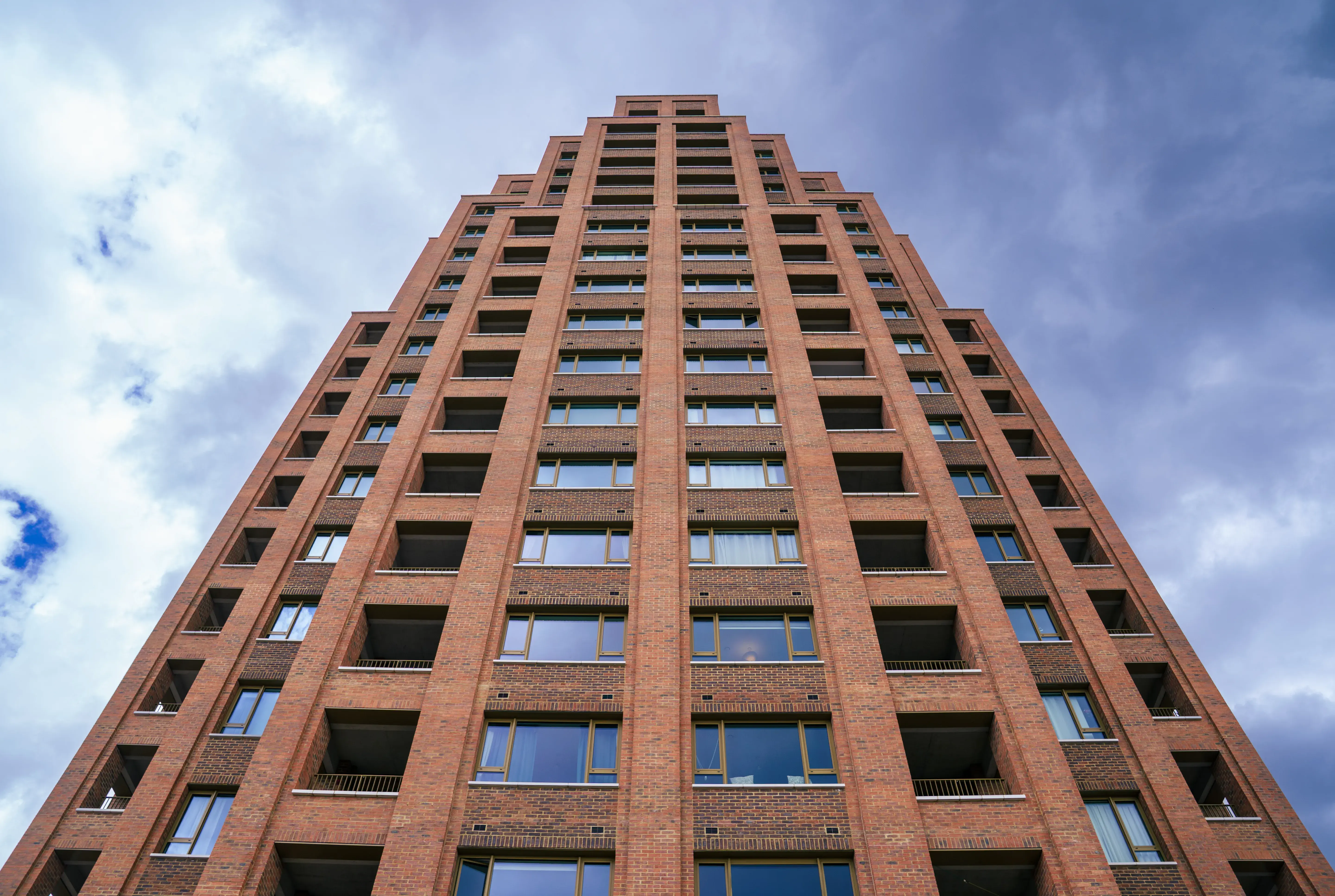
Against this backdrop, Bulrush Court in Bromley-by-Bow shows what this can look like in practice. Designed by Pitman Tozer Architects for The Guinness Partnership, the scheme delivers 144 affordable and social-rent homes over seven to nine storeys, and was recognised with the Large Housing Development Award at the Brick Development Association’s Brick Awards in 2025.
Rather than chasing novelty, the project focuses on getting the fundamentals right. Thoughtful design, careful material choices, and a clear response to its environment combine to create homes that are built to last and feel rooted in place. In an environment shaped by planning reform and a renewed focus on quality, Bulrush Court demonstrates how policy ambition can translate into well-designed, deliverable social housing.
Shaped by its Surroundings
Bulrush Court sits within a dense part of East London, in a challenging setting shaped by major infrastructure, including the A12 and nearby train tracks. From the outset, the design team set out to create a building that felt in tune with its wider London context, rather than imposed on it.
As Luke Tozer, Co-founder of Pitman Tozer Architects explains, “The ambition was to create a characterful and humane place that felt like it was part of the developing masterplan, transforming what had previously been an old scaffold yard into a recognisable part of the city.”
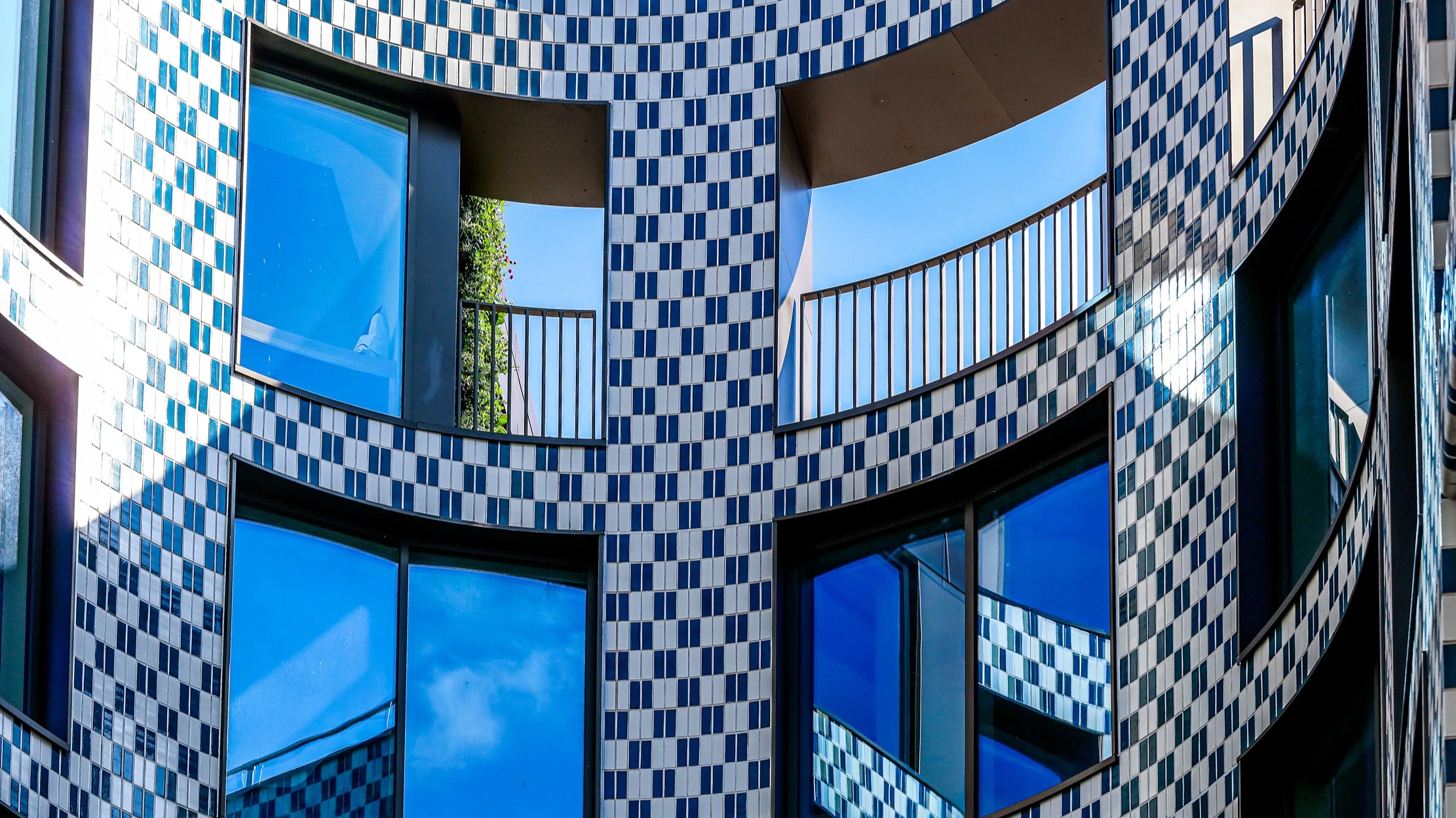
The building features curved corners and balconies that carry the brickwork around the edges, which helps the block feel softer and more settled in the street. Those curves were important to the team. “We were pleased we managed to keep the curved corners,” says Luke. “They add character without adding significant cost.”
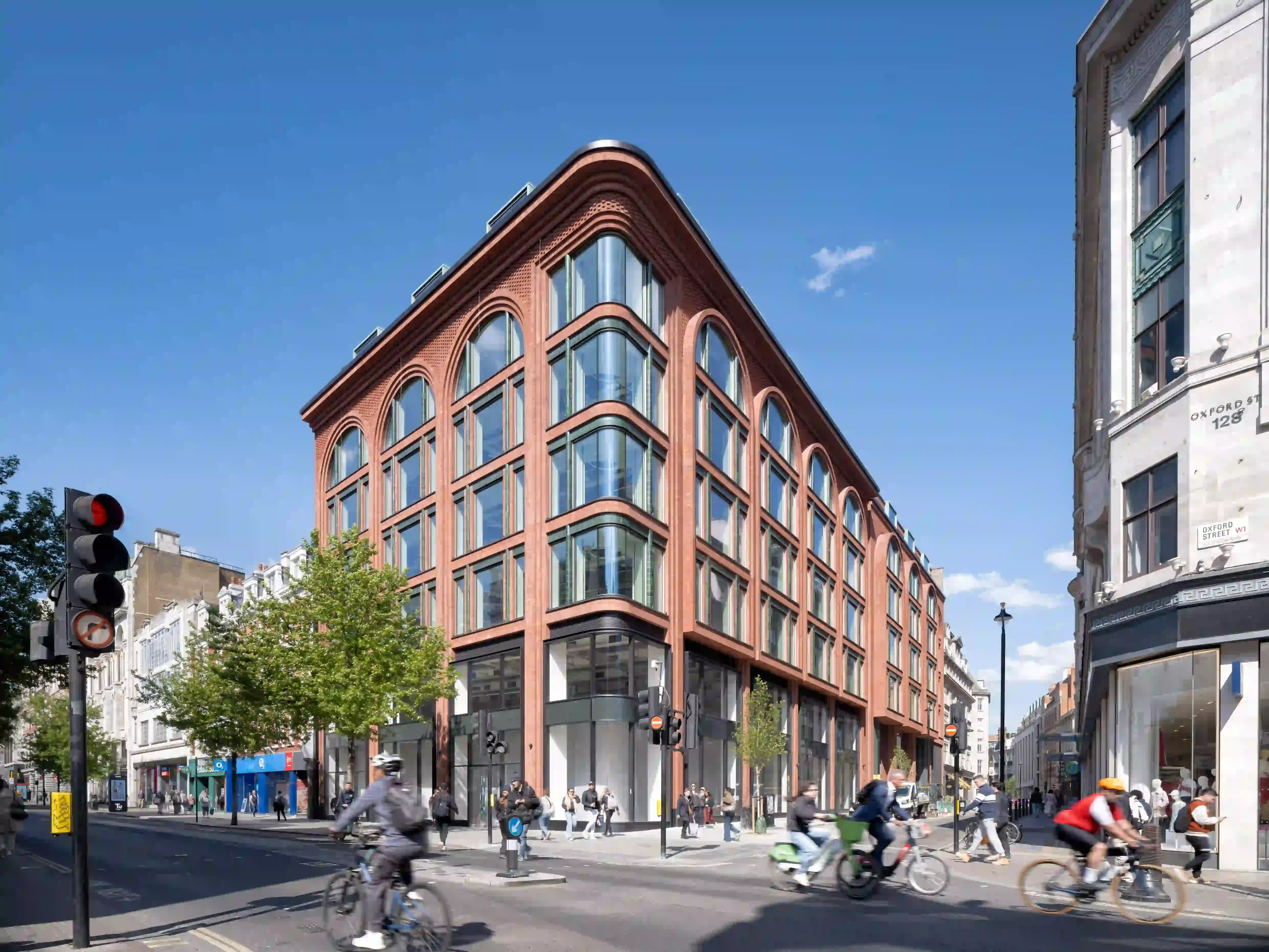
Brick was chosen as the most prominent material, used in a contemporary way that still feels familiar in London. “In London, brick is almost the default for housing architecture,” Luke notes. “It brings character, robustness and price together in a way very few materials can.”
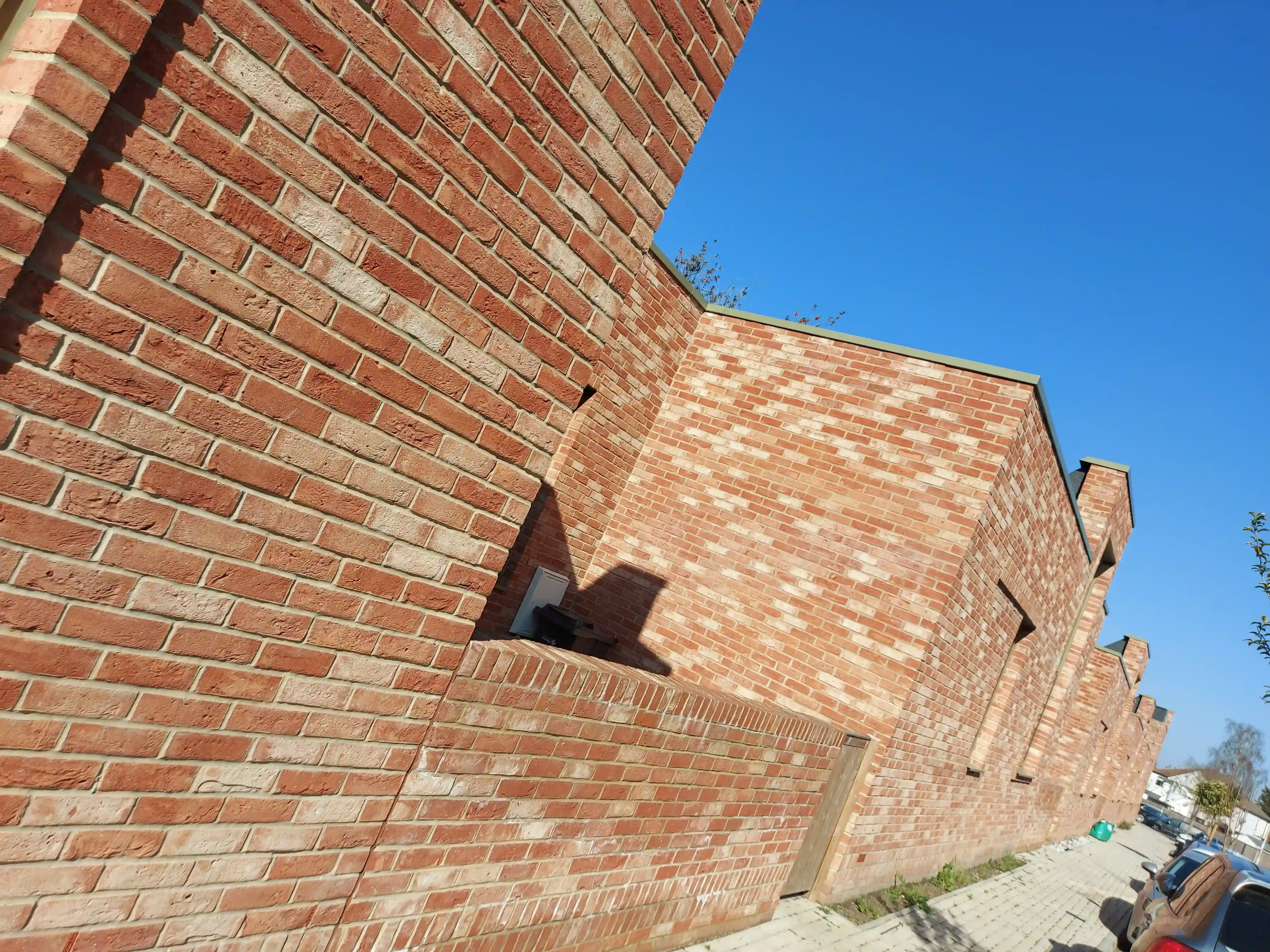
The scheme uses four standard brick types to create character and rhythm without relying on specialist units, helping it feel distinctive while still belonging.
Olde English Grey and
Commercial Red were the two main brick types used. These were supplied by Ibstock Plc, whose range supported the design intent while meeting performance and budget requirements.
“One of the things we love about brick is the infinite variety you get from standard units,” Luke adds. “With Ibstock, we had the quality, consistency and range of choice we needed, and the reassurance of availability at scale, which is critical on a project like this.”. Built to Last
For social housing providers, long-term performance matters. Buildings need to stand up to daily use, remain safe, and be affordable to maintain over decades.
Recent industry focus on housing quality, reinforced by the first phase of Awaab’s Law coming into force in England in October 2025, has underlined the consequences of getting this wrong. Poor decisions, poor detailing and hard-to-maintain outcomes can create serious risks for residents and large remediation bills for landlords later on.
At Bulrush Court, those considerations were very important when it came to material selection and build approach. Brick offered a practical solution, combining durability, strong fire performance and low maintenance. In a sector facing ongoing financial pressure, it is essential to design for longevity.
Homes People Can Take Pride In
The quality of housing has a direct impact on how people feel about their homes. The look and feel of a building, and the materials used, shape everyday experience in ways that are easy to underestimate.
Bulrush Court avoids the sense of short-term or temporary construction that still affects too many schemes. Its solid materials and careful brick detailing give it a feeling of permanence, elevating the idea that these are homes designed to last.
The building also creates shared spaces, including a courtyard with play space that can be used during the day. The intention was to create density without losing humanity. As Luke summarises, the aim was to create “humane, high-density, high-quality, delivered through good design.” That sense of care matters.
Collaboration Behind the Scenes
Projects like this only work when the right people are involved at the right time. Close collaboration between client, architect, contractor and the wider team helped translate design intent into what was delivered on site.
Build quality is also what makes long-life ambitions real. Bulrush Court completed in May 2024, following a start on site in April 2021, with a total gross internal floor area of 12,200 m². The reported build cost was £35m, around £2,900 per m², demonstrating the discipline needed to deliver something robust and characterful under tight viability constraints.
Brick is a familiar material, but using it well takes care. The project team focused on using standard units intelligently, including cut bricks to form curves, to keep costs under control while still lifting the overall quality.
An Inspirational Reference Point
As the housing sector looks ahead, Bulrush Court is an inspirational example of what can be achieved. It shows that social housing can be well designed, robust and rooted in place, without becoming complicated or over-engineered.
It also shows what “built to last” can mean in practice. With a predicted design life of 60 to 100 years and reported regulated operational emissions of 10 kgCO₂/m², the scheme makes a clear case for focusing on long-term value rather than short-term appearance.